 NL
NL
Brake Disc Aligners
Universally compatible with more than 99% of passenger cars and light commercial vehicles.
DA-2002 | DA-8700 | Videos | Contact & order
Brake disc as good as new in 10 minutes
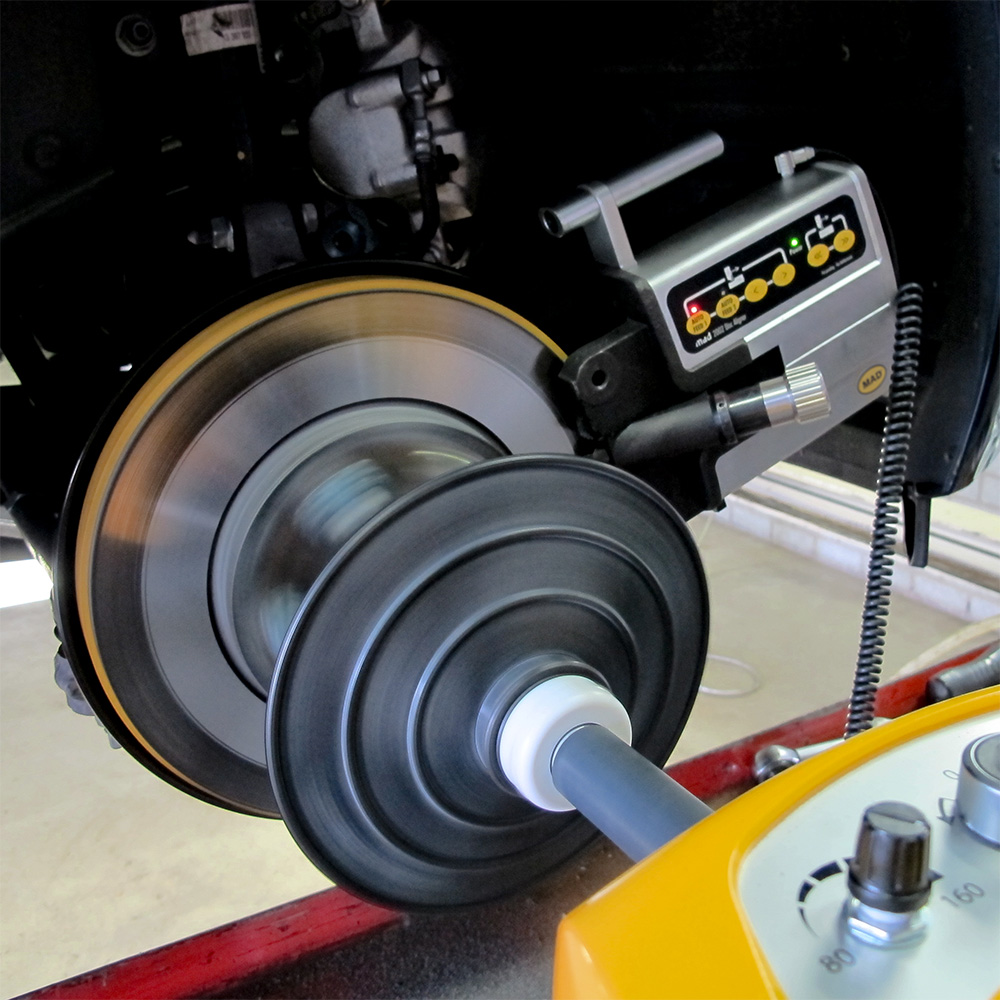
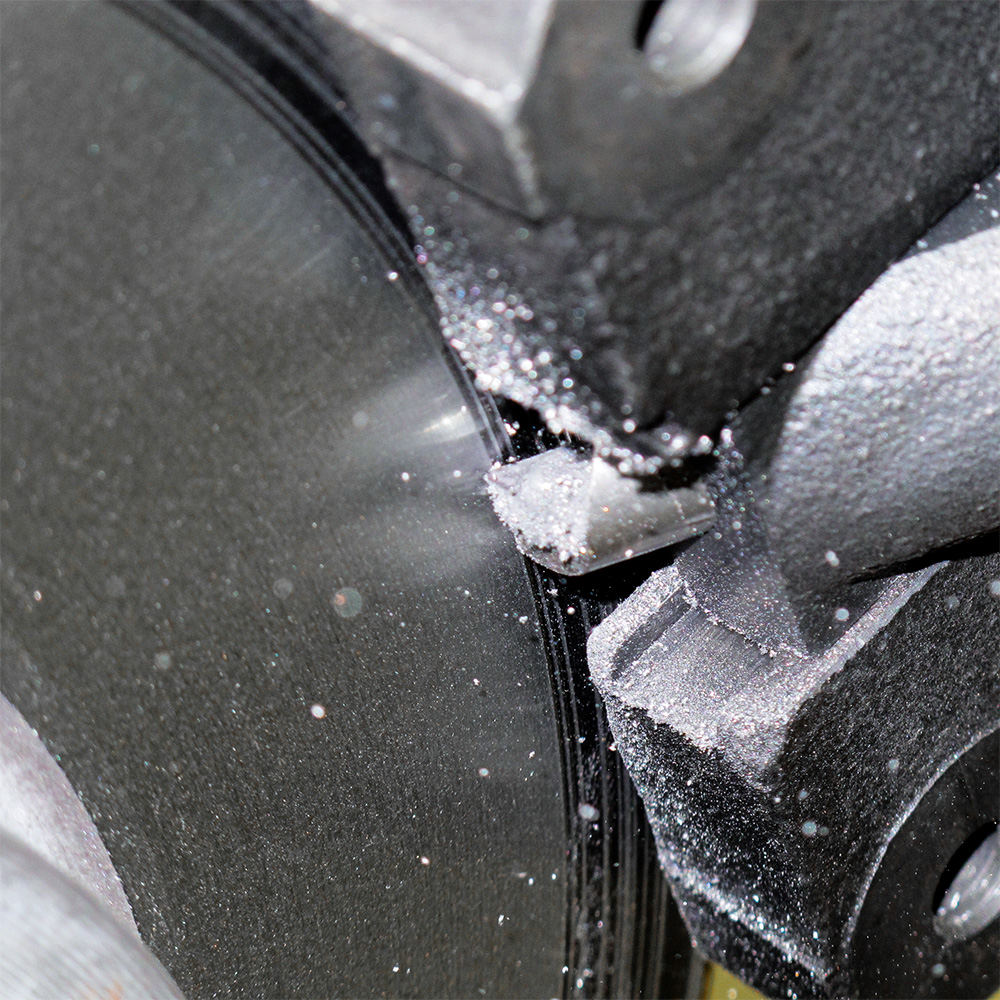
MAD’s brake disc aligners are designed with maximum precision, efficiency, and ease of use in mind. Our reliable systems allow machining of brake discs of passenger cars and light commercial vehicles directly on the vehicle.
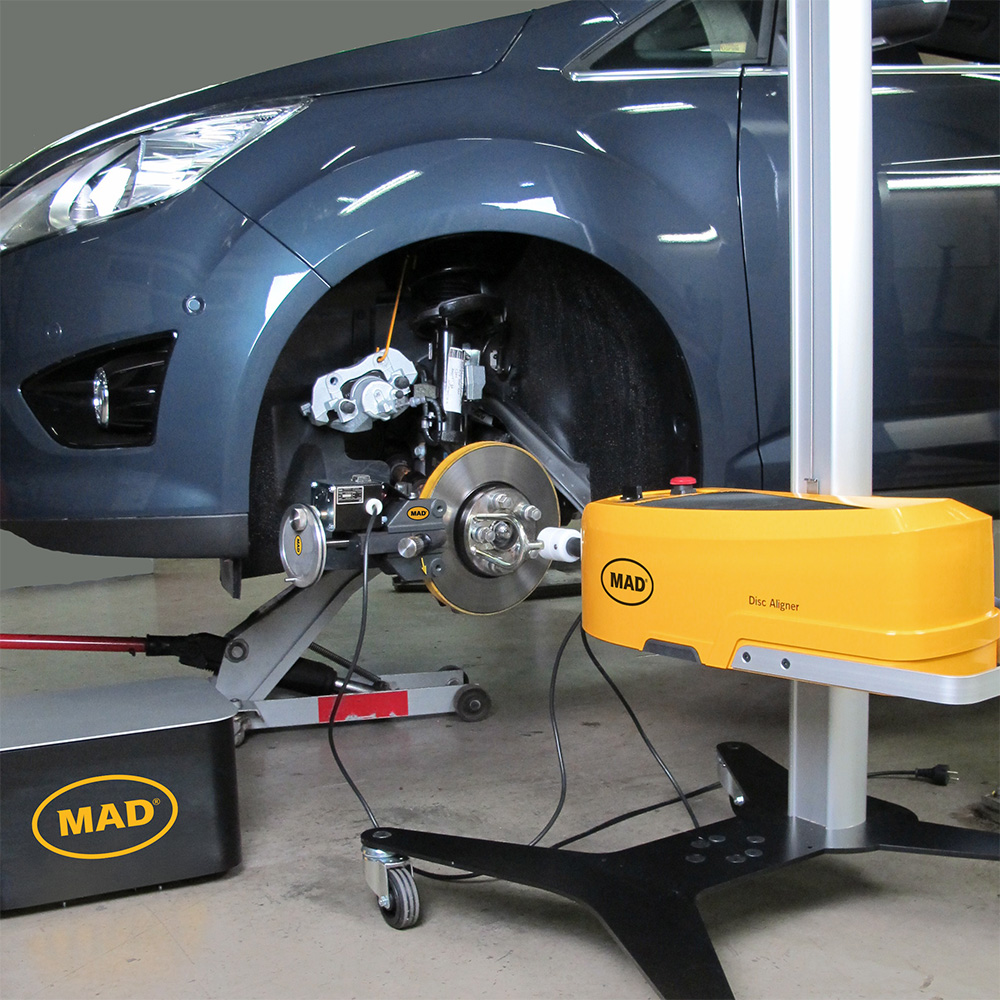
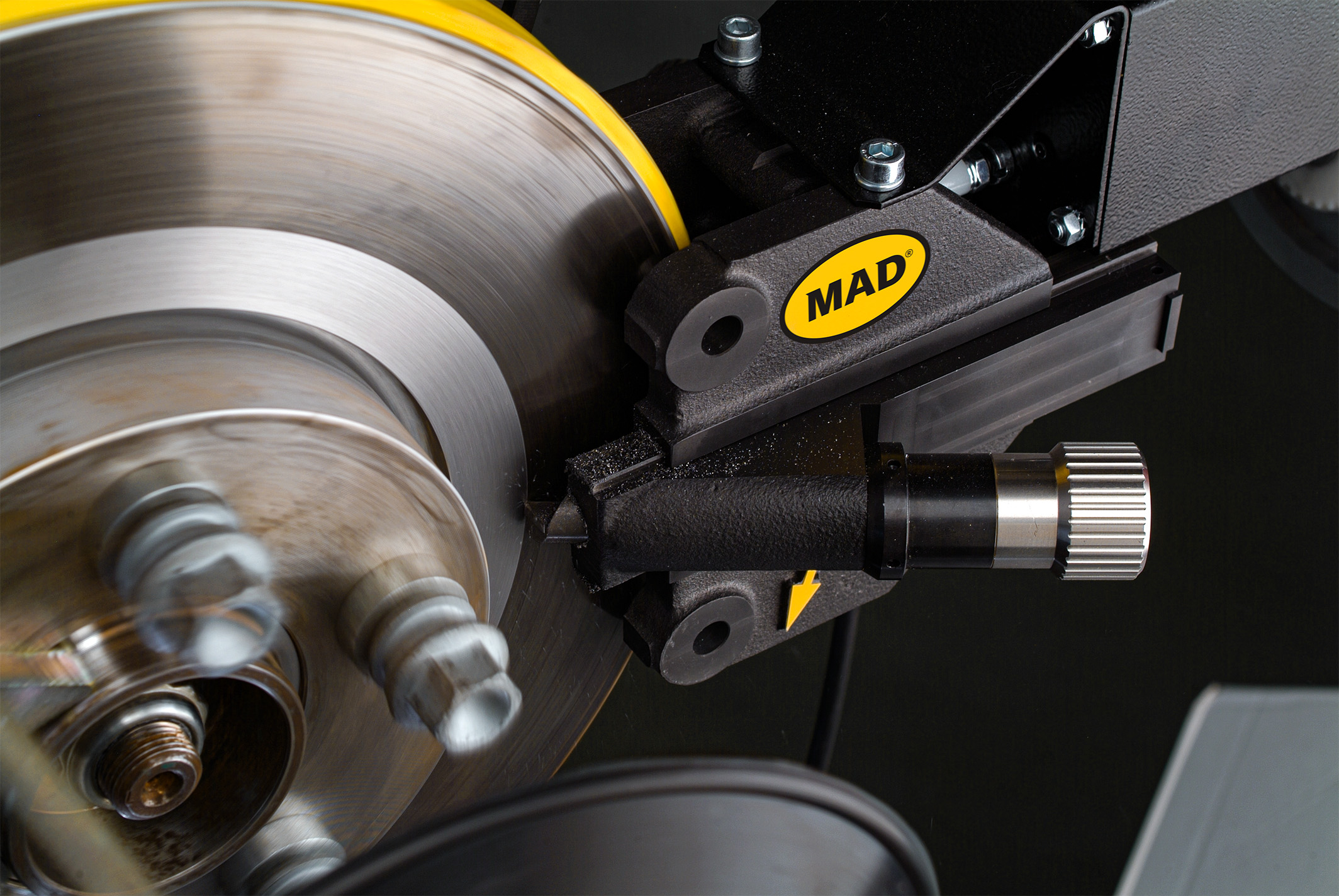
Our brake disc turning machines consist of a drive unit that rotates the brake disc and a disc lathe that is mounted directly to the brake caliper mounting points. This method guarantees optimal machining results and absolute parallelism with the brake pads.
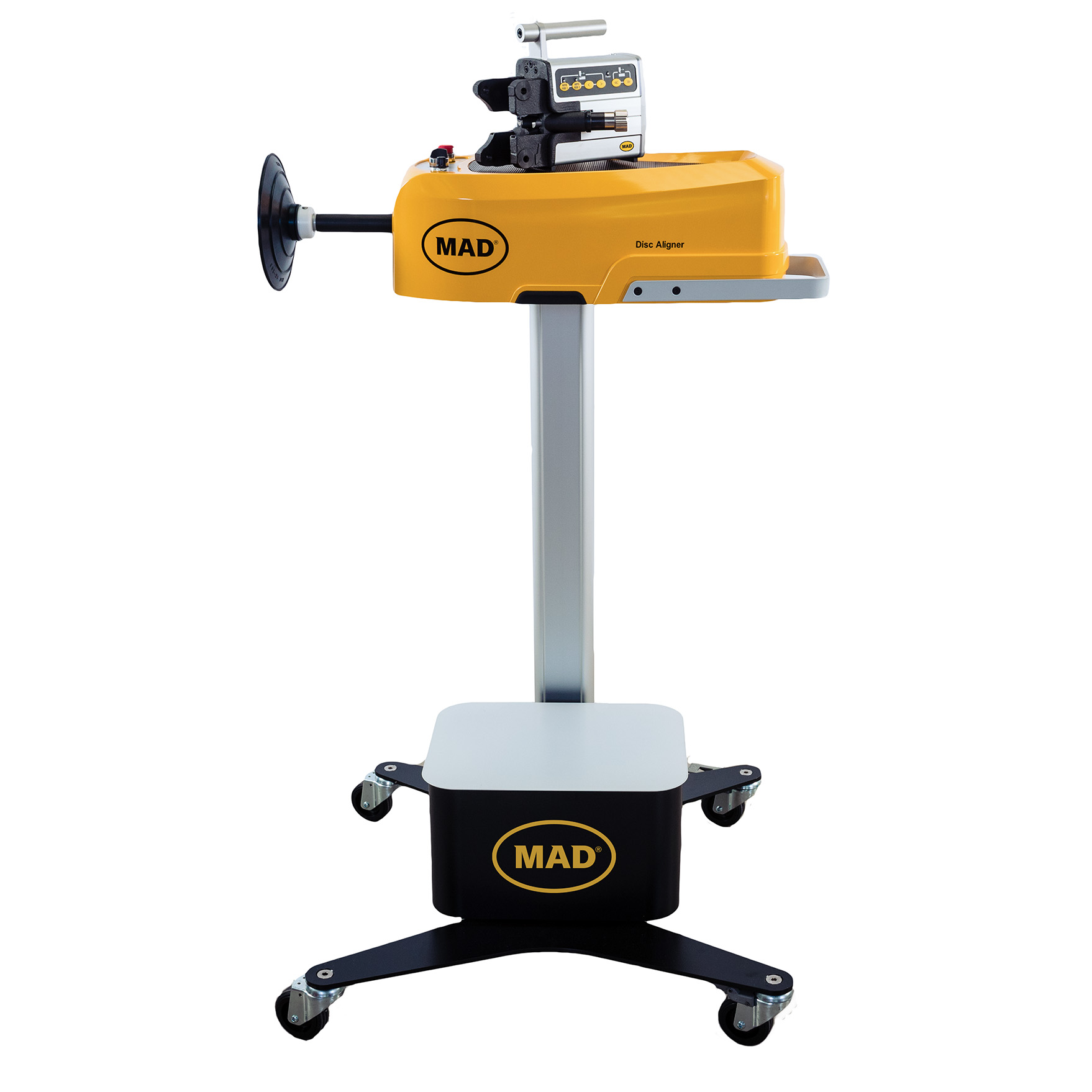
Our brake disc aligner models
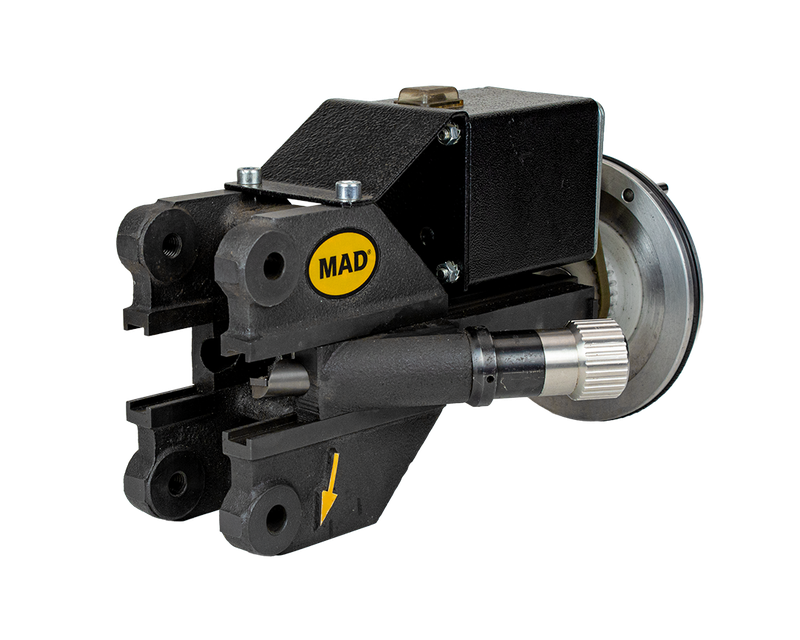
DA-8700
Semi-automatic operation
Disc Lathe: DL-8704
- Automatic feed
- Manually adjustable using the hand wheel at the rear.
- Feed rate: 8,5 mm/min
- Length from mounting point to rear of disc lathe: 245 mm
Drive Unit: DU-8710
- Rotational speed: 100 rpm
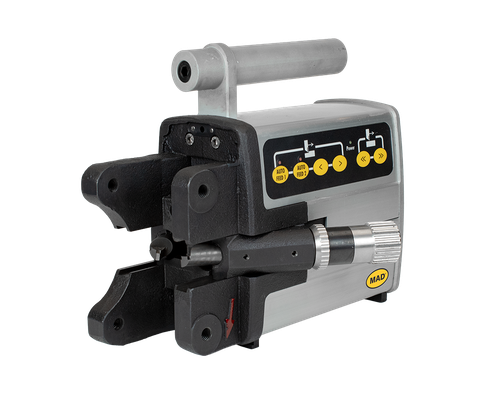
DA-2002
Automatic operation
Disc Lathe: DL-2002
- Automatic feed
- Adjustable via the control panels on the sides
- Feed rates:
6, 9, 12, 18 mm/min - Length from mounting point to rear of disc lathe: 204 tot 235 mm
Drive Unit: DU-2010
- Rotational speed: 80 tot 160 rpm
Machining directly on vehicle
The drive unit is easily adjustable for working heights between 45 and 125 cm. This makes it possible to machine brake discs both on a lift and using a jack (close to the ground). The brake disc is machined directly on the mounted wheel hub, ensuring that the disc lathe is aligned with the brake disc. This prevents measurement errors caused by play, misalignment, or tolerances in the bearing and hub system.
New Brake Pads + Machined Brake Discs
When brake pads need to be replaced, they often need to be bed-in before they function optimally. By machining the brake disc at the same time, the new brake pads immediately make contact across the entire surface. This ensures optimal braking performance right away.
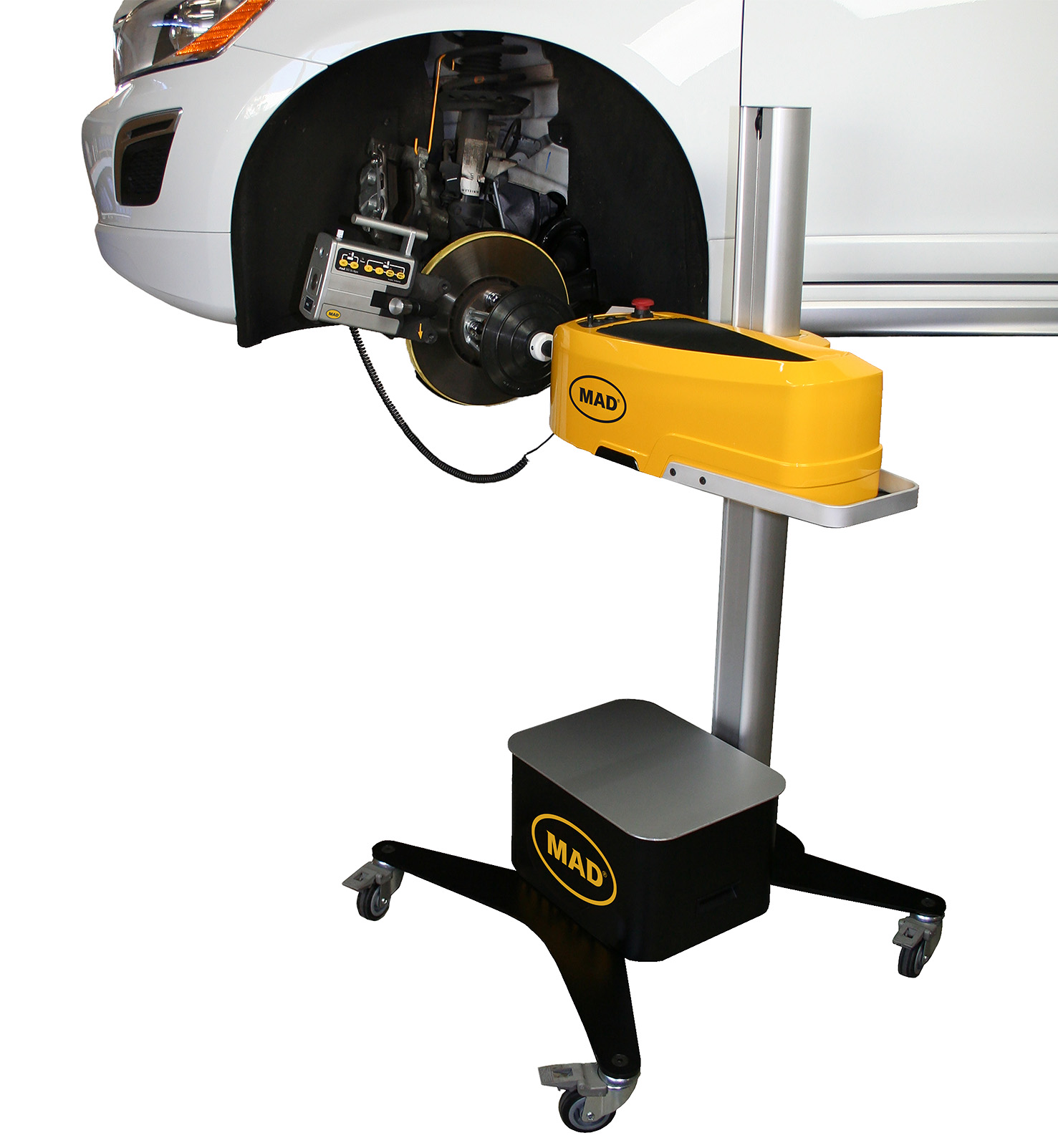
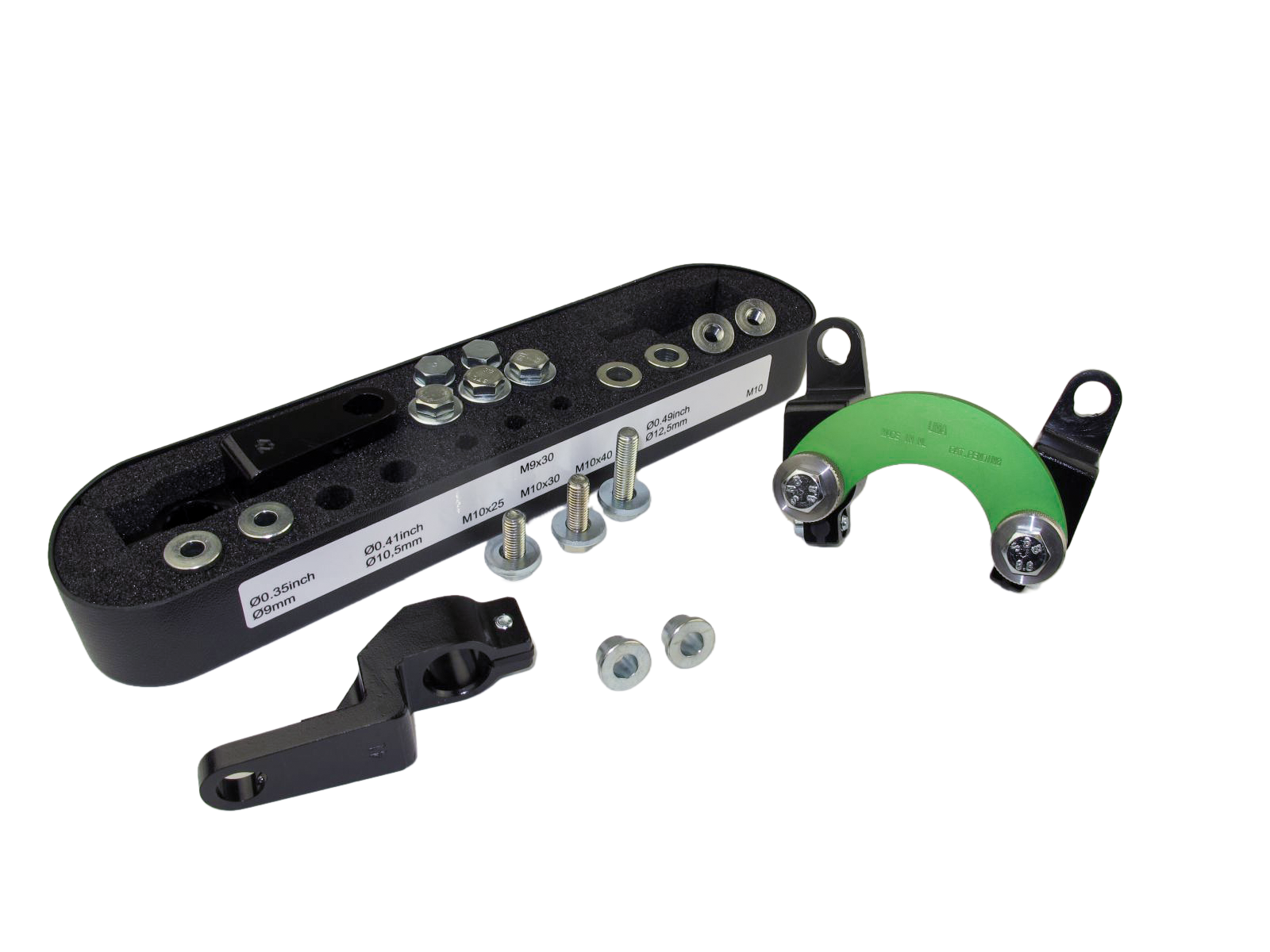
Universally applicable
Using smart adapters, our brake disc aligners can be used on more than 99% of all passenger cars and light commercial vehicles.
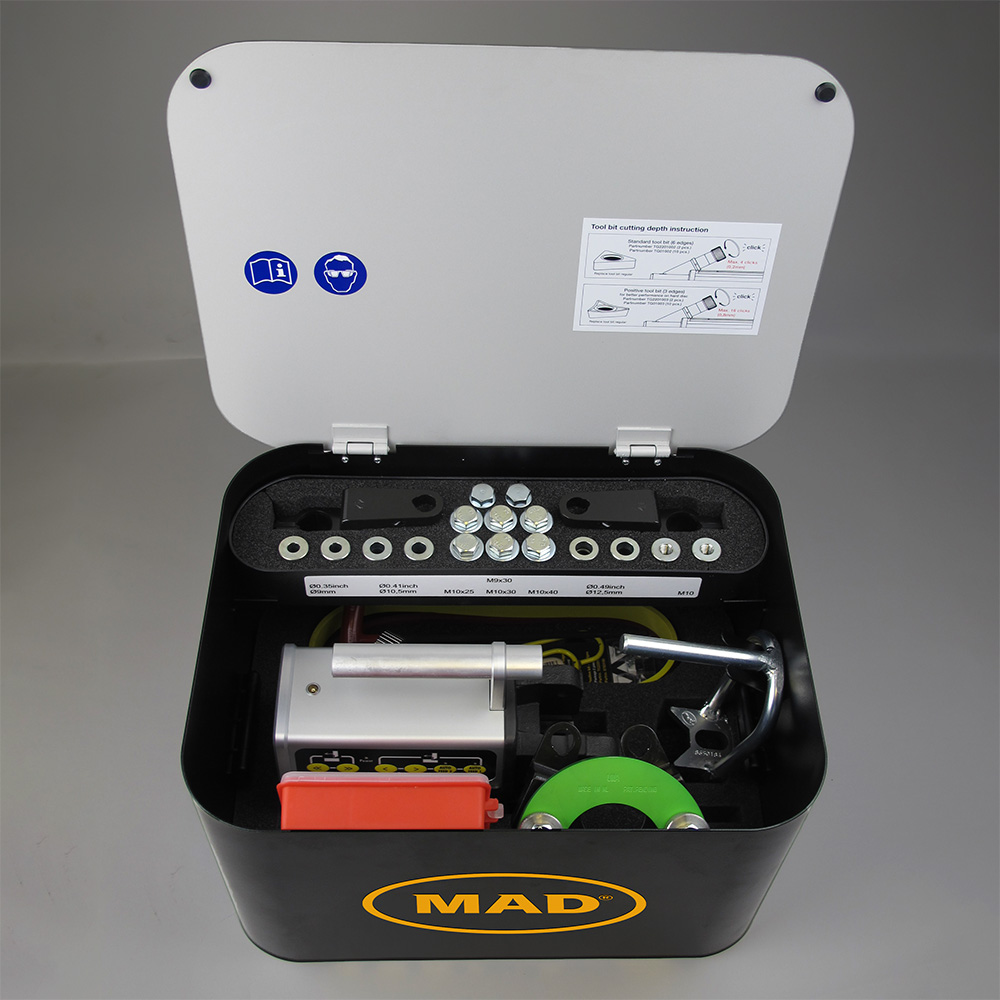
UMA (Universal Mounting Adapter)
The UMA forms the basis for the universal applicability of our brake disc aligners. Thanks to the adjustable and rotatable brackets, the adapter can be quickly and easily adjusted to the brake caliper mounting points of virtually any passenger car or van equipped with standard brake calipers.
When should you machine brake discs?
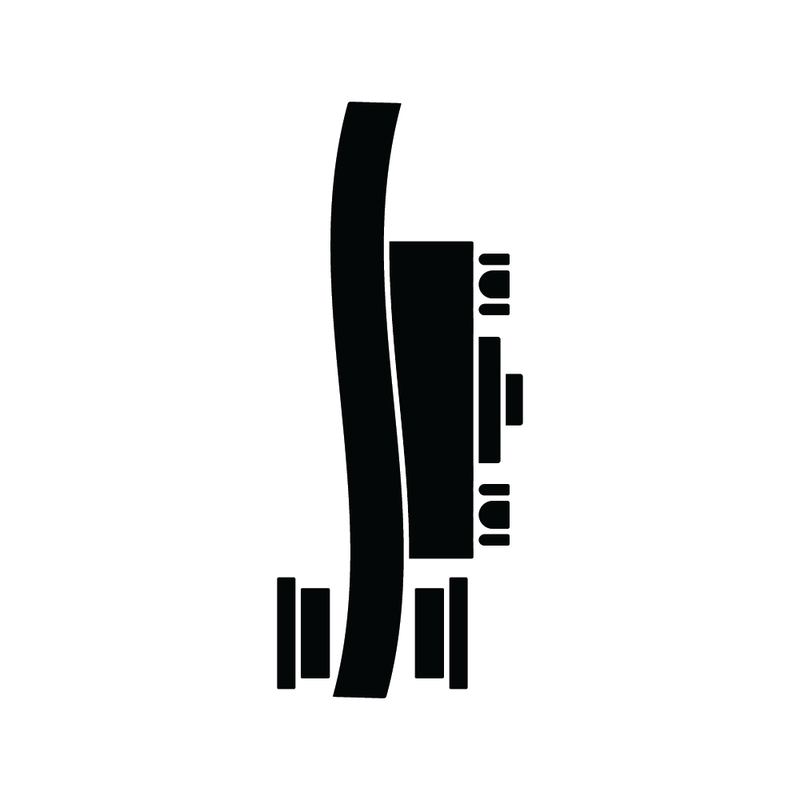
Run-Out
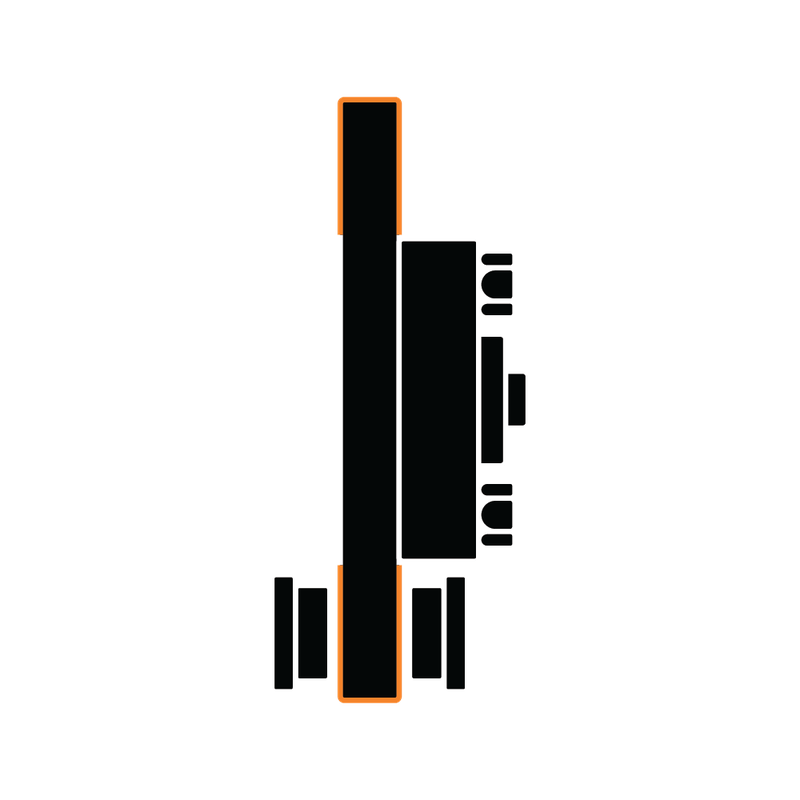
Run-out is oscillation of the brake disc, causing it to be misaligned with the brake pads. This may be caused by tolerance in the brake disc and hub or by distortion of these parts by shock loads. The oscillation of the brake disc can be felt in the steering wheel.
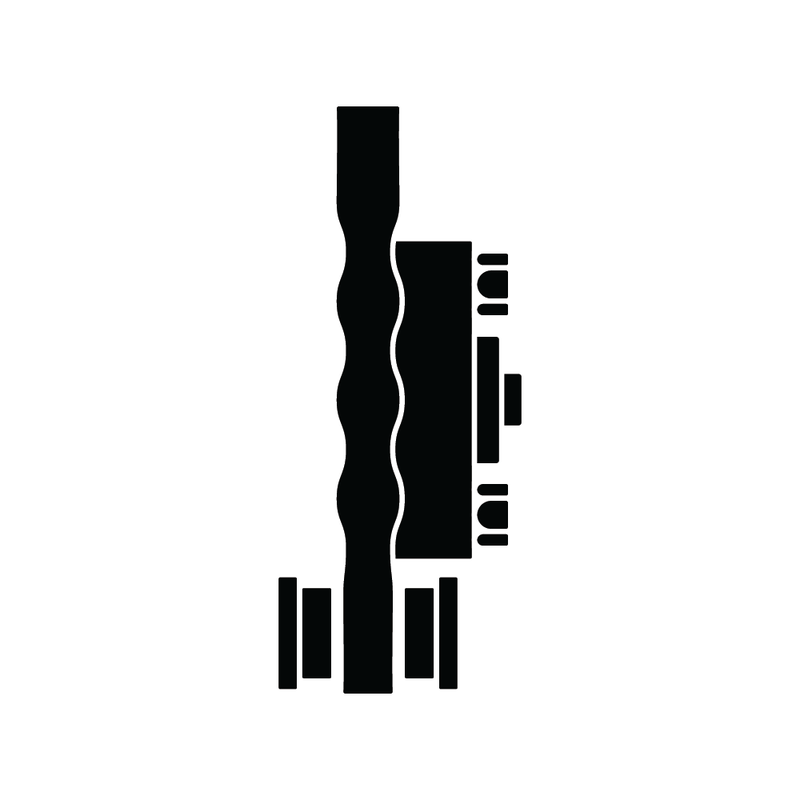
DTV (Disc Thickness Variation)
Disc Thickness Variaton (DTV) is the difference in disc thickness measured at various points in the radial plane. DTV can be clearly felt in the brake pedal.
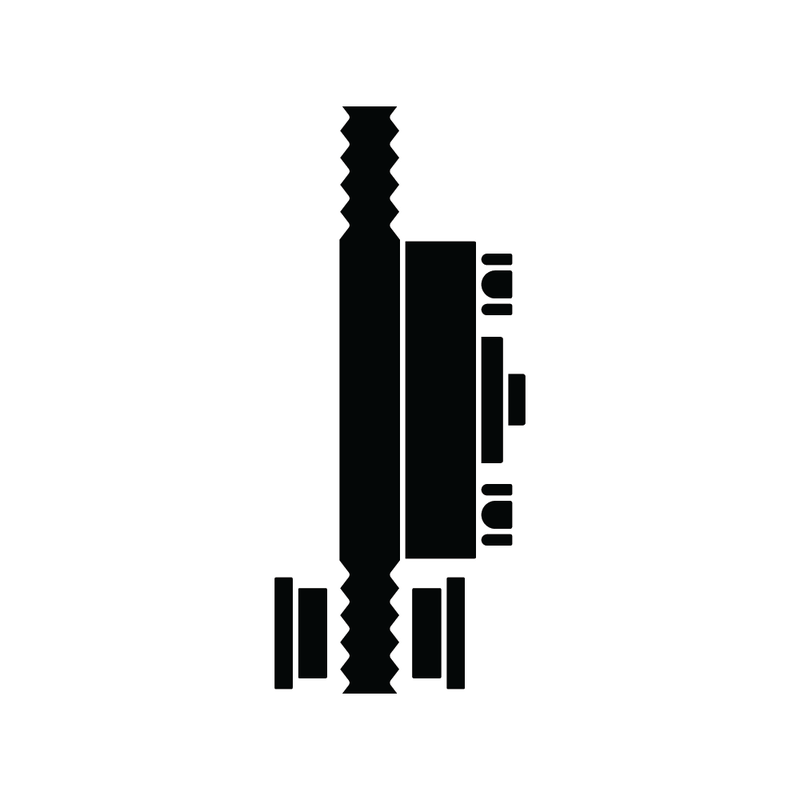
Rough surfaces
Rough surfaces are caused by high- or low-frequency vibration of the brake caliper. This is due to differences in surface texture between the brake rotor and the brake pads. The surface structure no longer conform to the the manufacturer’s specifications which results in excessive brake noise.
Rust
Rust and corrosion can develop after periods of inactivity or exposure to rain. This causes a grinding noise and erratic braking performance.
Guaranteed vibration-free braking comfort
The brake disc is machined directly on the mounted wheel hub, ensuring that the disc lathe is aligned with the brake disc. This prevents measurement errors caused by play, misalignment, or tolerances in the bearing and hub system.
The Benefits of machining brake discs
- Ensures vibration-free braking comfort
- A durable solution that extends the service life of expensive components
- Sell the workshop’s expertise and labor hours
- Perfect alignment between the disc and the brake pads thanks to mounting at the caliper mounting points
- Universally applicable to more than 99% of passenger cars and light commercial vehicles